

Fire extinguishers
Annual inspection and tagging, recharges and hydrostatic testing, so every extinguisher in your building is charged, current and ready.
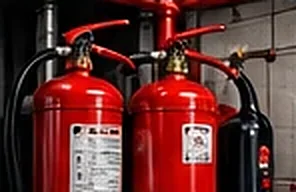
What we handle
We keep track of what’s due on every unit, so nothing lapses between inspections.
- Annual inspection and tagging
- Recharge after use
- Six-year maintenance
- Hydrostatic testing
- New extinguishers supplied and mounted
- The right type for each space, including kitchens
Service schedule
- Every month
- A quick check by your staff: pin in place, gauge in the green, nothing blocking it.
- Every year
- A full inspection by our technician and a new tag on every unit.
- Every 6 years
- Stored-pressure dry chemical units are emptied, checked inside and recharged.
- Every 5 or 12 years
- A hydrostatic test of the cylinder. Water, CO2 and kitchen units every 5 years, dry chemical every 12.
Schedule based on NFPA 10.
Common questions
What does a hydrostatic test involve?
The extinguisher is emptied and the cylinder is filled with water and pressurized well past its normal rating to prove it won’t fail. Units that pass are recharged and put back in service.
Does a partly used extinguisher need a recharge?
Yes. Any extinguisher that has been discharged, even for a second, needs a recharge before it can be relied on again.
What if a unit fails?
We replace it with the right type and size for that space, so you’re never left with a gap.
Schedule a visit or a call
Pick a day and time that works for you
- (XXX) XXX-XXXX
- office@guardian-fireprotection.com
- New York City, Westchester and Connecticut
Other services
-
Fire sprinkler systems
Installed, inspected and repaired in any building
-
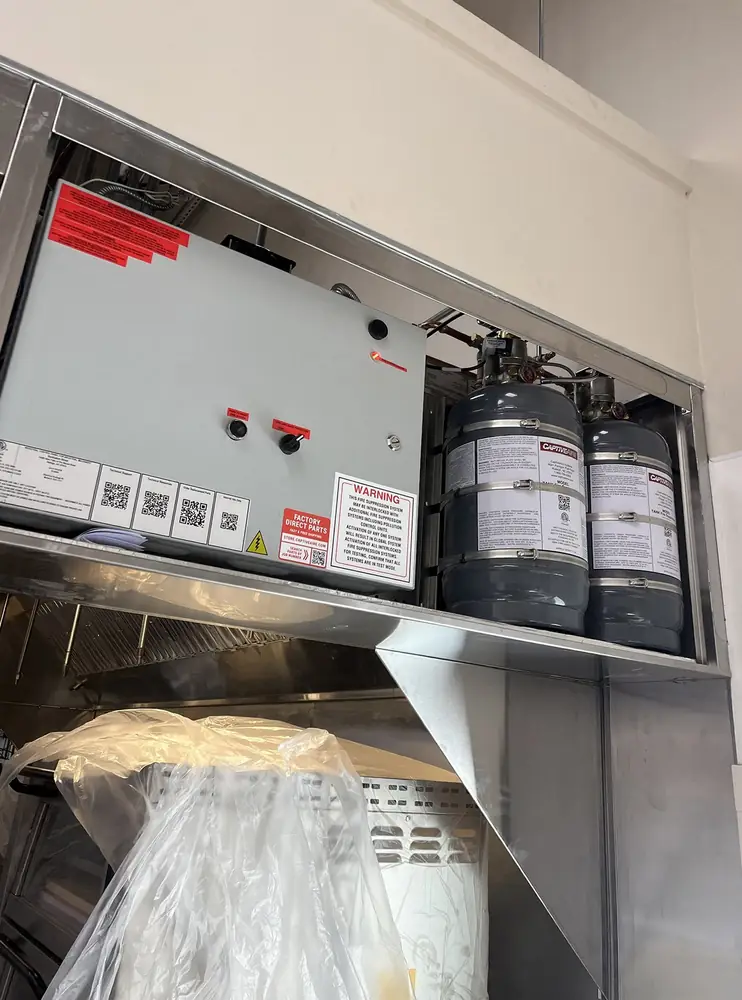
Fire suppression systems
Kitchen, clean agent and Ansul systems
-
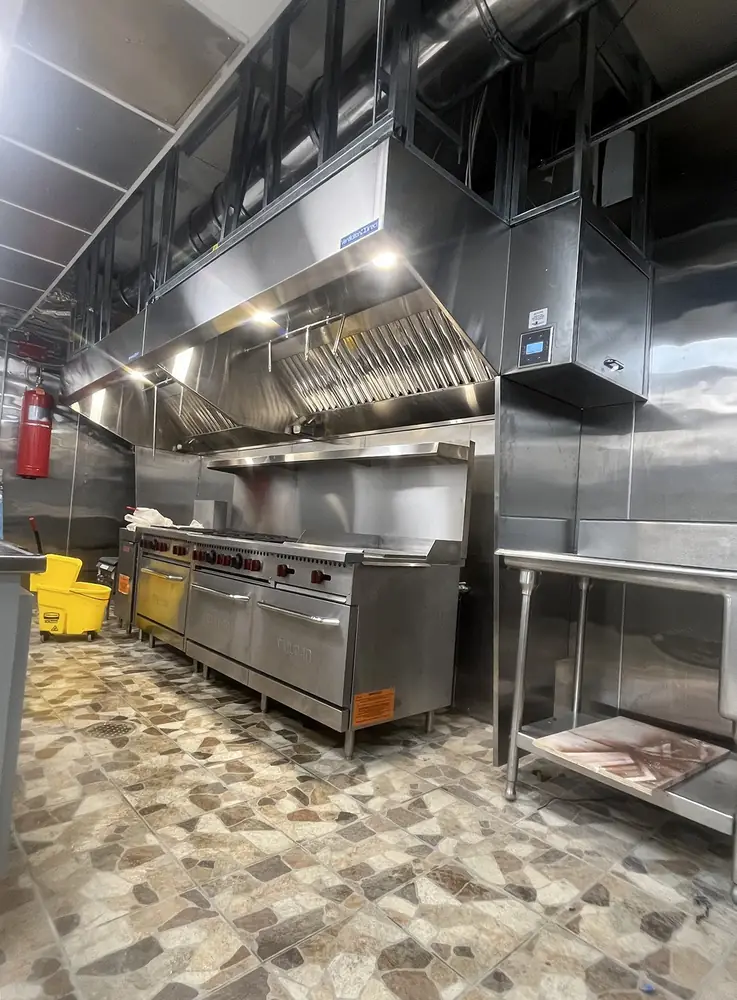
Kitchen hoods
Installed, then cleaned on a plan built for your kitchen
-
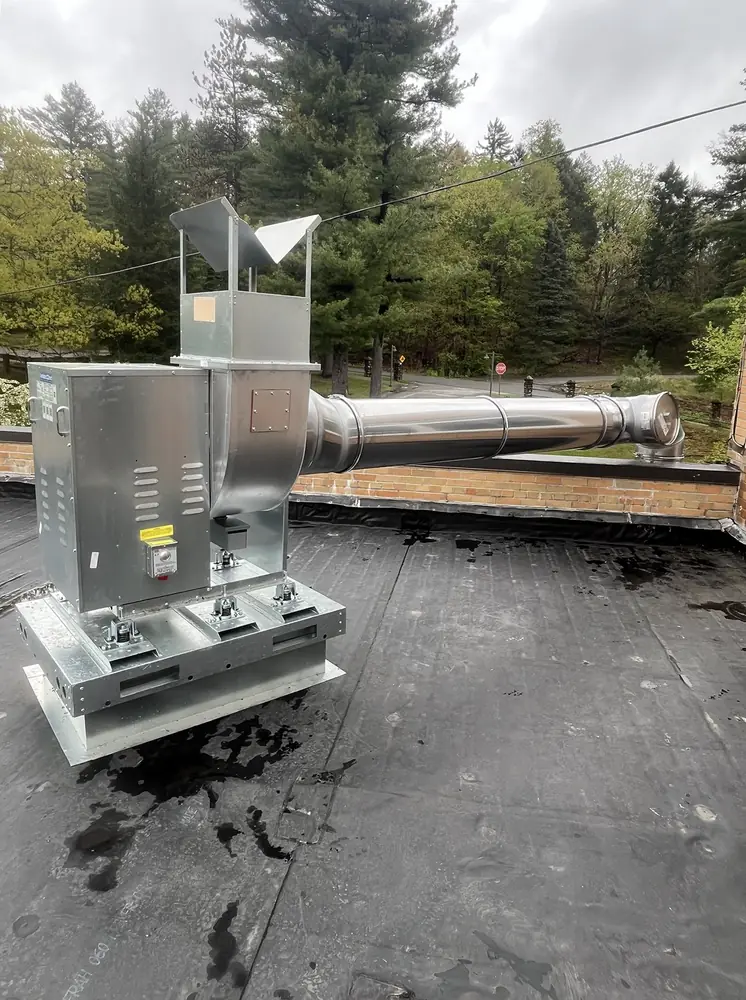
Mechanical services
Commercial ventilation and exhaust ducts
-
Emergency repairs
24/7 in NYC, Westchester and Connecticut
-
Expediting and plan review
Permit filings and code review before you submit