

Fire suppression systems
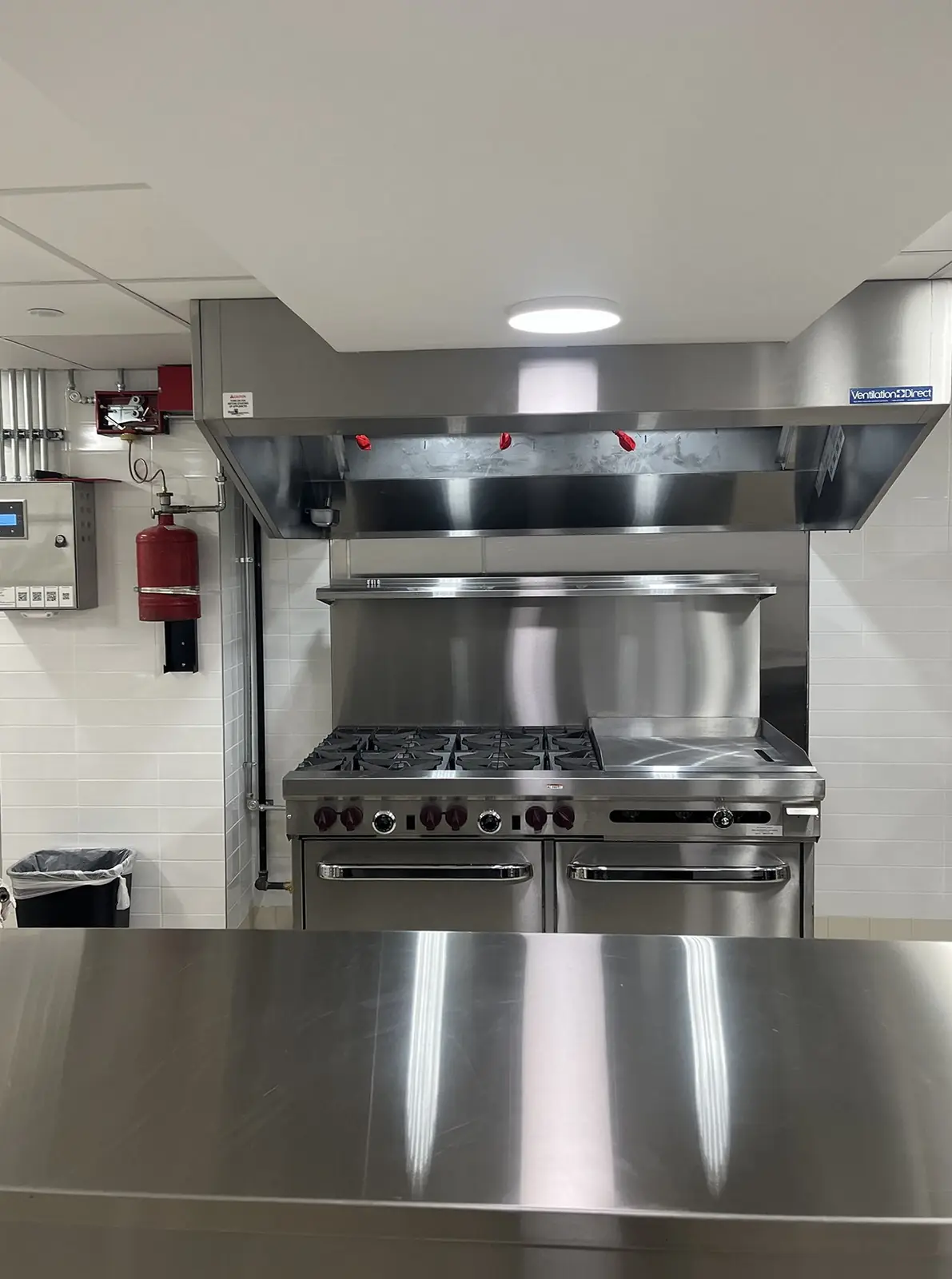
Where water would do more harm than good, a suppression system puts the fire out instead. We install and service kitchen hood systems, Ansul systems and clean agent systems.
What we handle
Restaurants, cafeterias, server rooms and anywhere else a sprinkler is the wrong tool. We install the system, keep it inspected and reset it after a discharge.
- New system installation
- Semiannual inspections and tags
- Recharge and reset after a discharge
- Fusible links and nozzles replaced
- Upgrades from older dry chemical systems
- Gas and power shutoff tie-ins
Systems we work on
- Kitchen hood systems
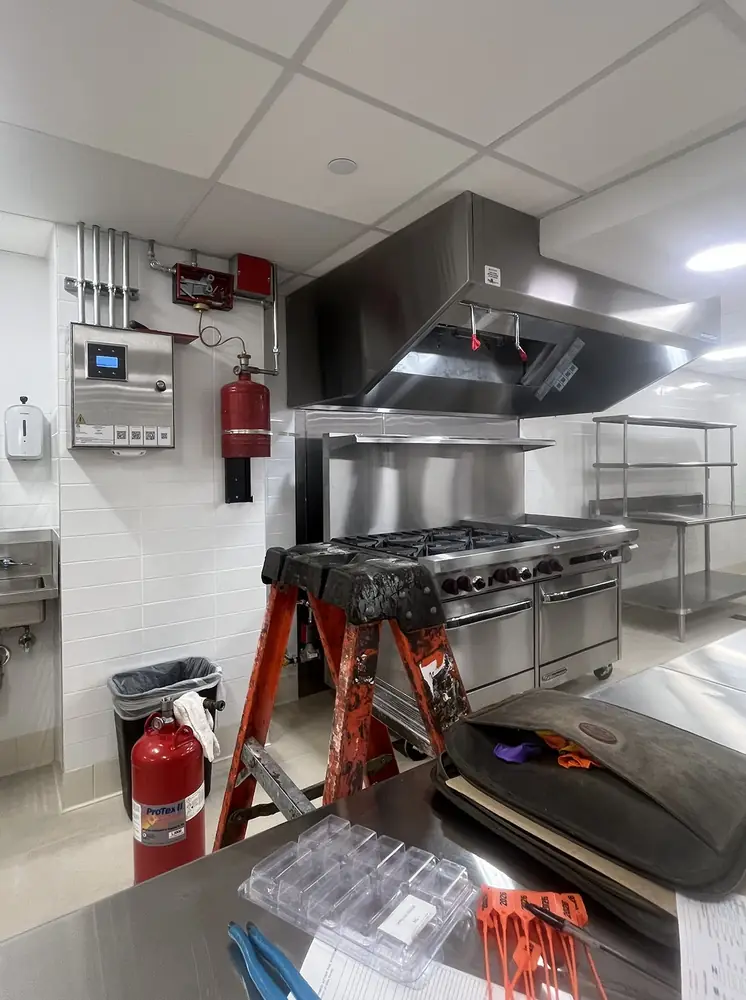
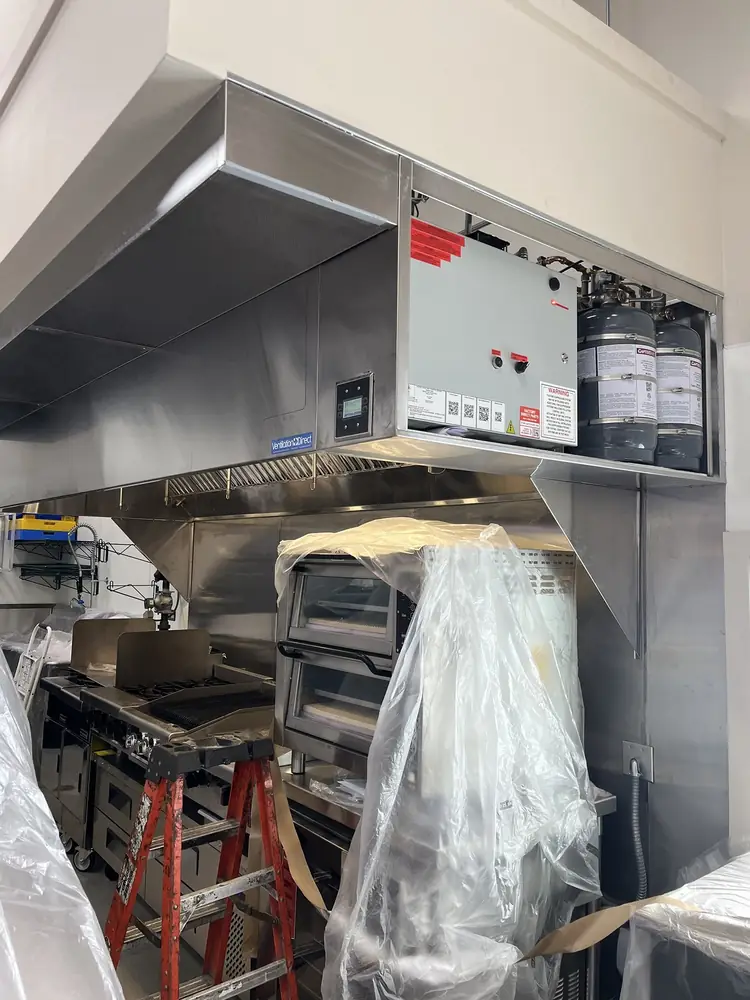
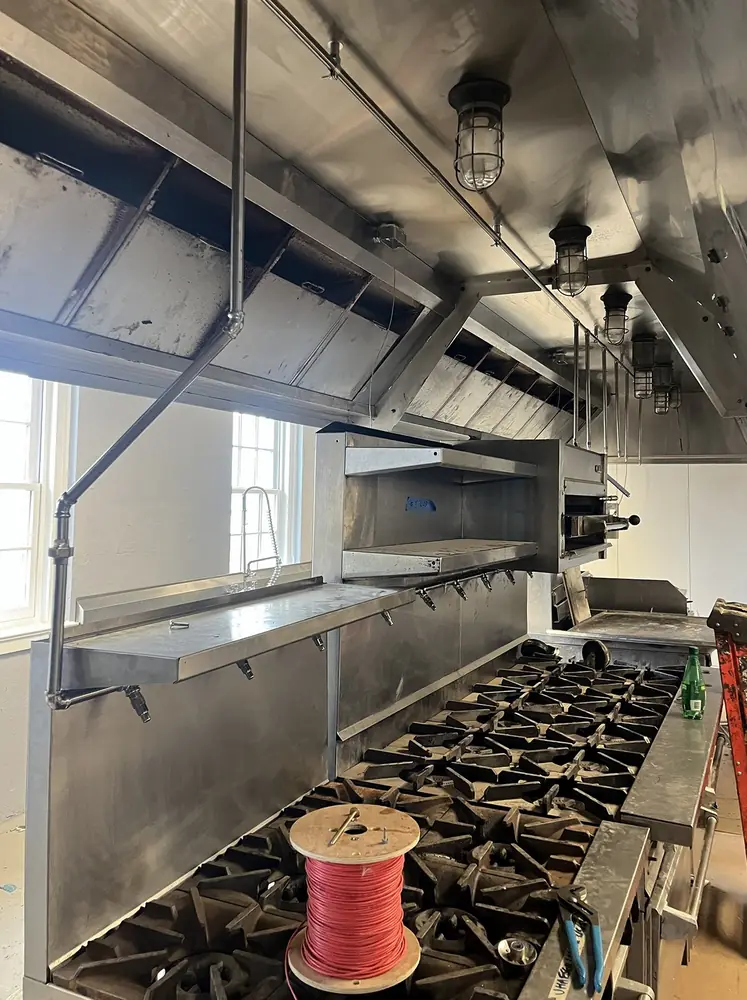
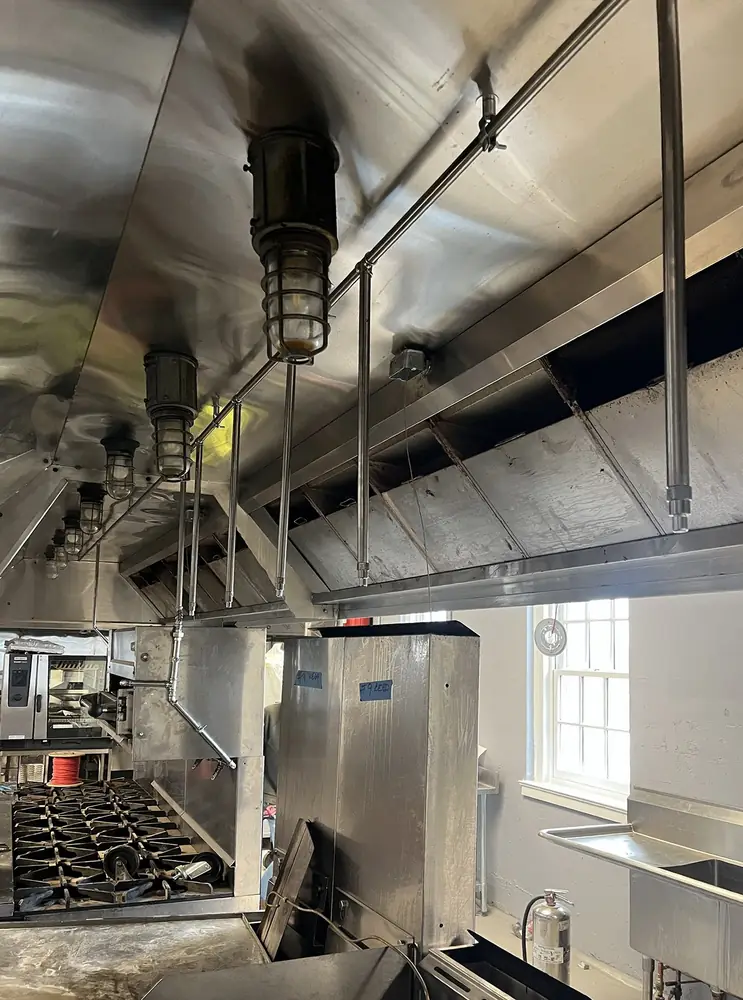
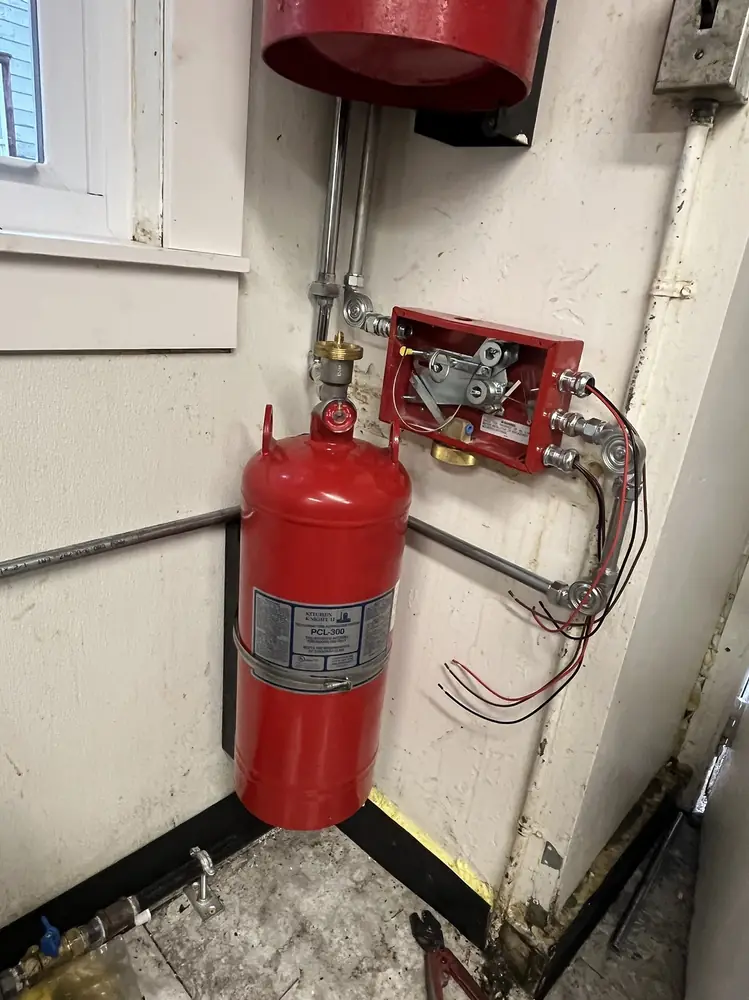
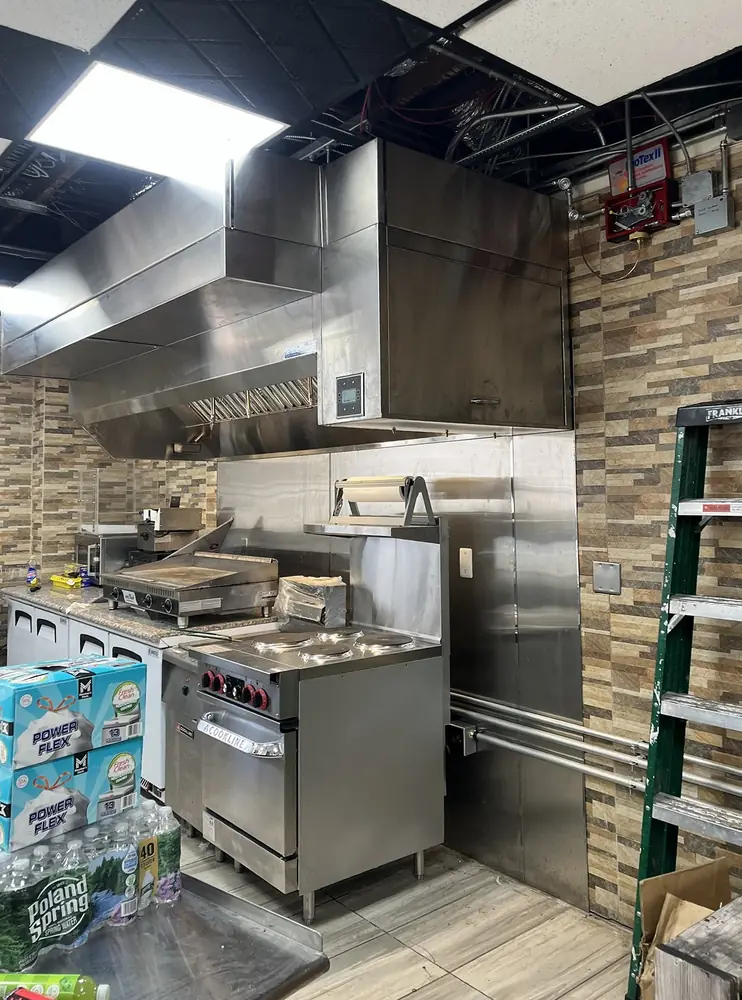
- Wet chemical systems, including Ansul R-102, that cover the hood, duct and cooking line and shut off the gas when they fire. Built to UL 300 for modern cooking oils.
- Clean agent systems
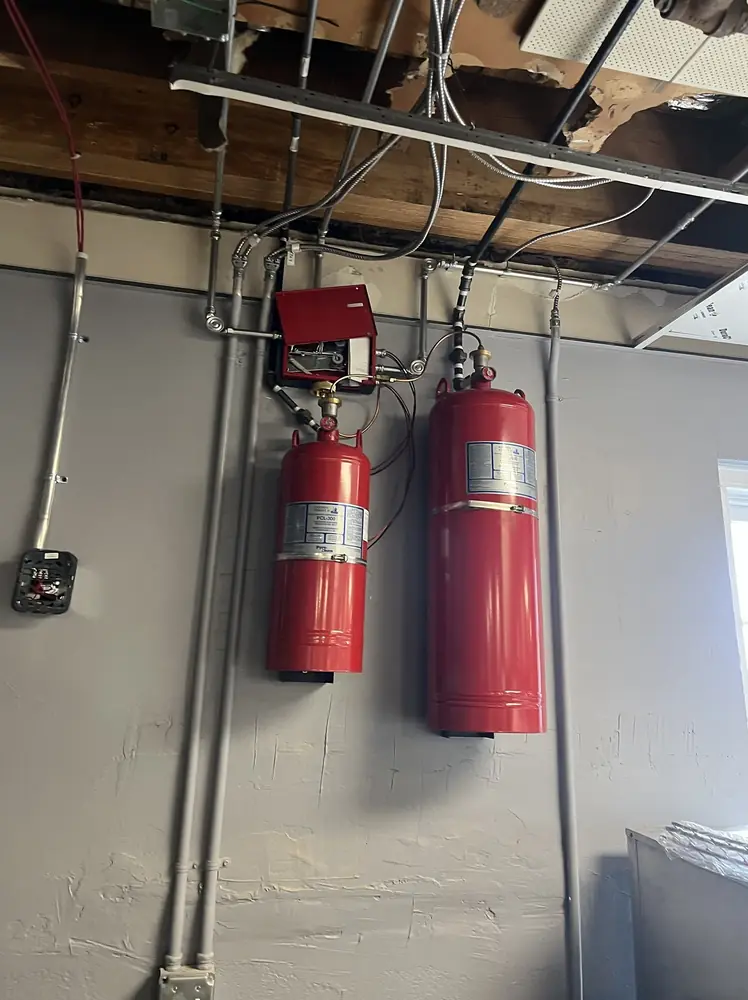
- Gas-based systems for server rooms, archives and electrical rooms. They put the fire out without water and leave nothing behind to clean up.
- Commercial systems
- Ansul and other engineered systems for commercial and specialty spaces, installed and serviced to the manufacturer’s specs.
Kitchen systems follow NFPA 17A and NFPA 96. Clean agent systems follow NFPA 2001.
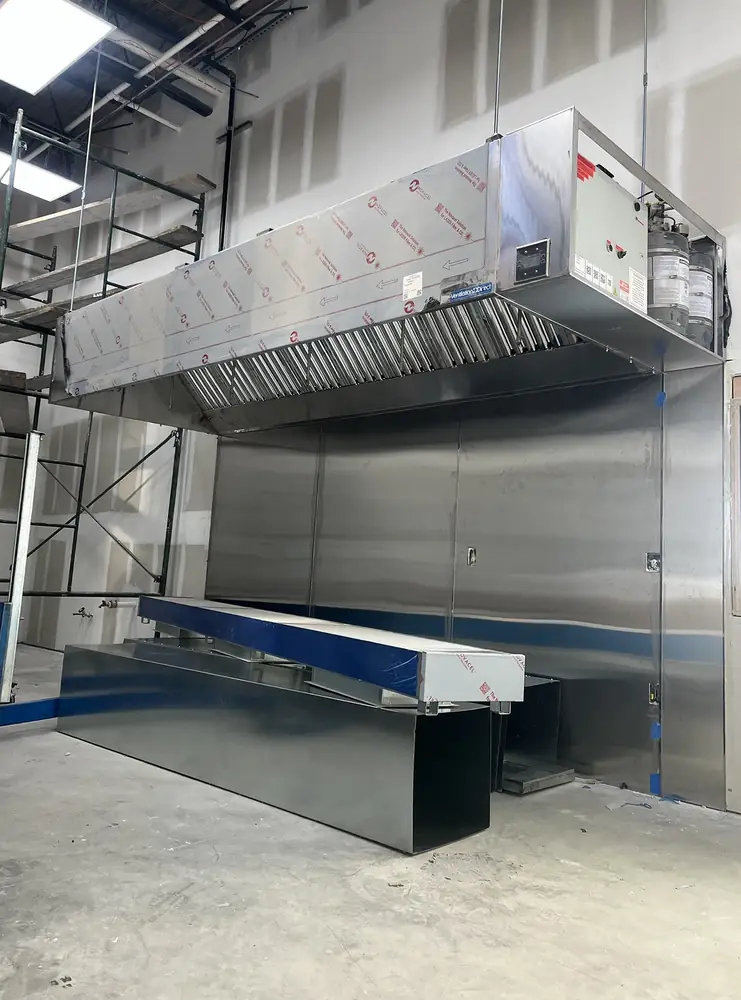
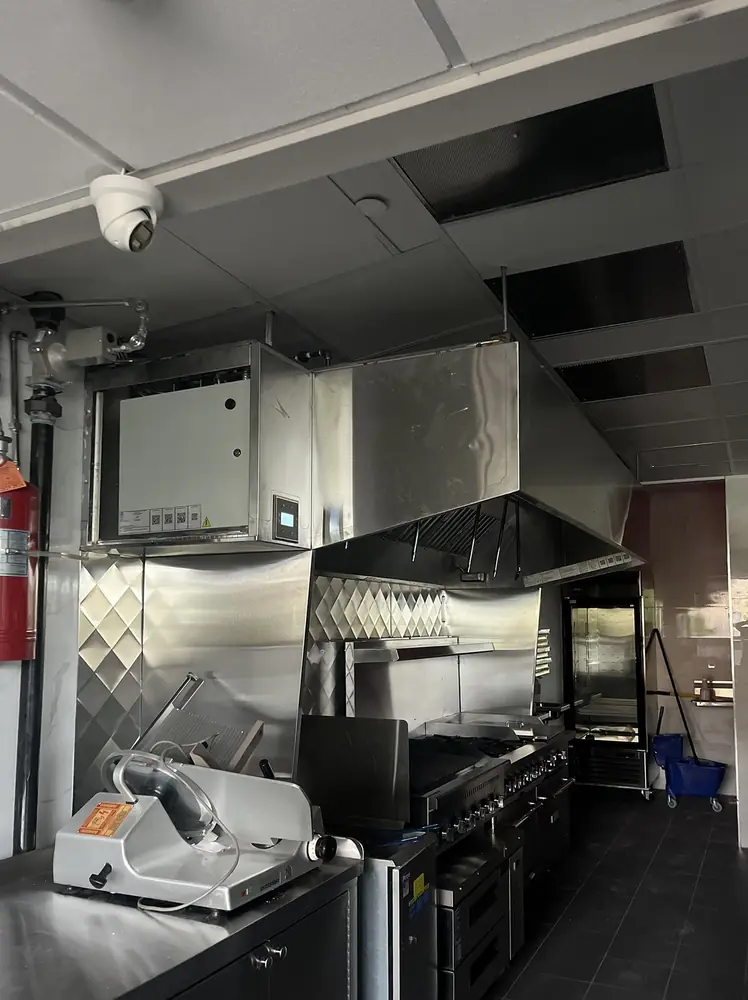
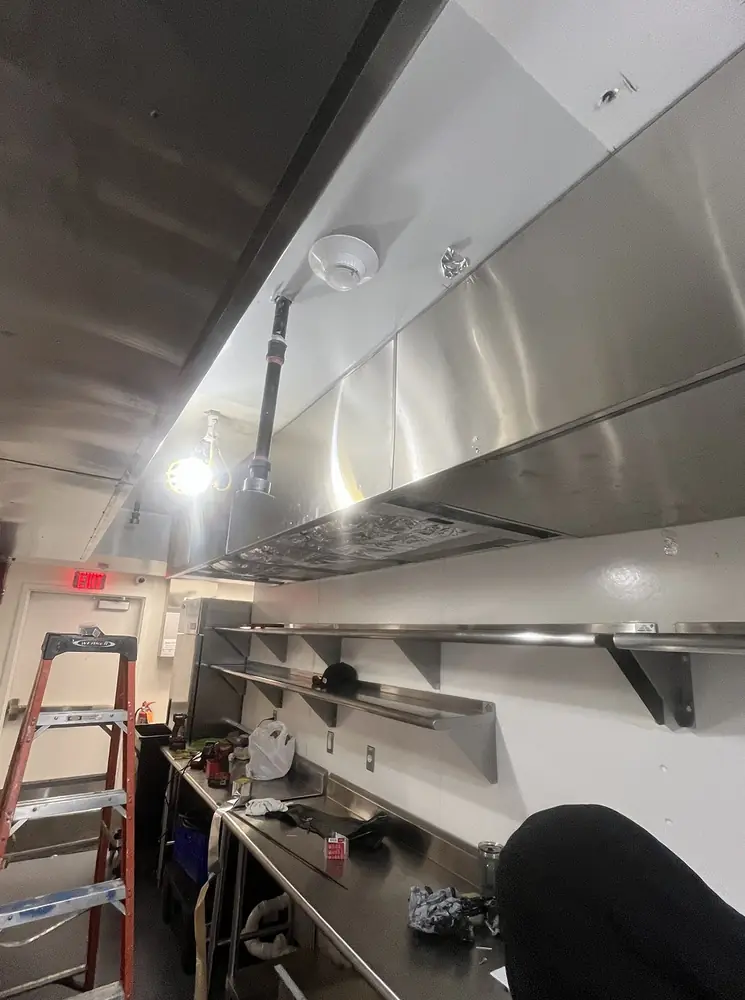
Recent work
Common questions
How often does a kitchen suppression system need inspection?
Every six months. NFPA 17A calls for a semiannual inspection, and fire inspectors and insurers look for a current tag.
What is UL 300, and does my system meet it?
UL 300 is the test standard for kitchen systems built for today’s cooking oils, which burn hotter than older fats. Older dry chemical systems don’t meet it. We can tell you on the first visit whether yours does.
Our system went off. What now?
Call us. After a discharge the system has to be cleaned, recharged and reset before you cook again, and we’re available 24/7.
Schedule a visit or a call
Pick a day and time that works for you
- (XXX) XXX-XXXX
- office@guardian-fireprotection.com
- New York City, Westchester and Connecticut
Other services
-
Fire sprinkler systems
Installed, inspected and repaired in any building
-
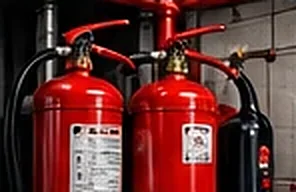
Fire extinguishers
Annual tagging, recharge and hydro testing
-
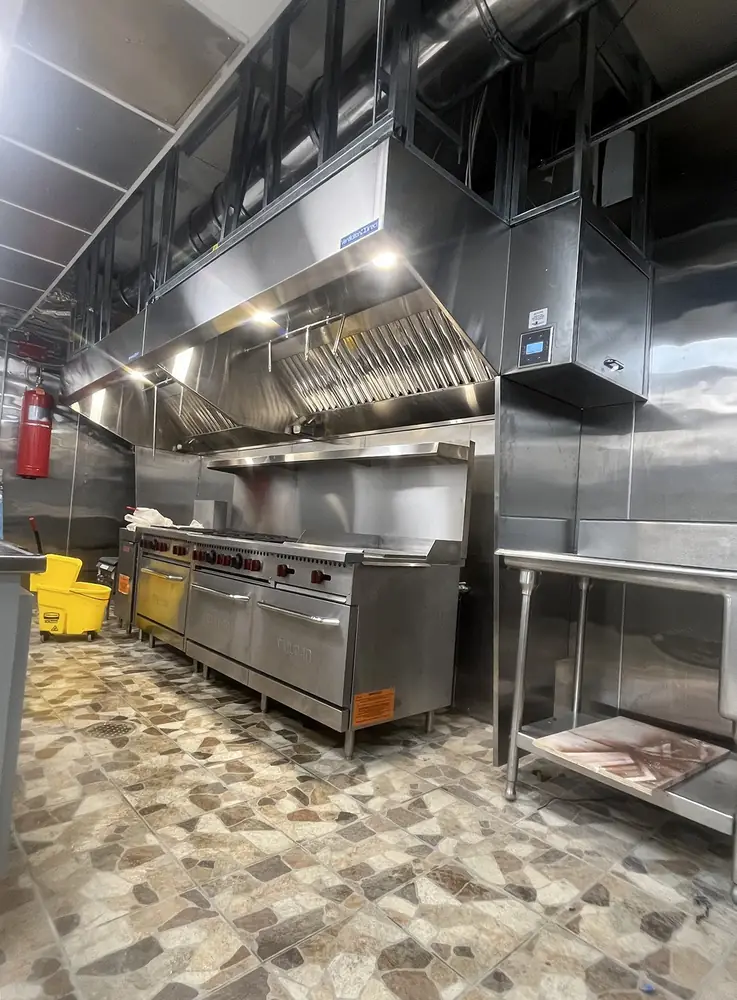
Kitchen hoods
Installed, then cleaned on a plan built for your kitchen
-
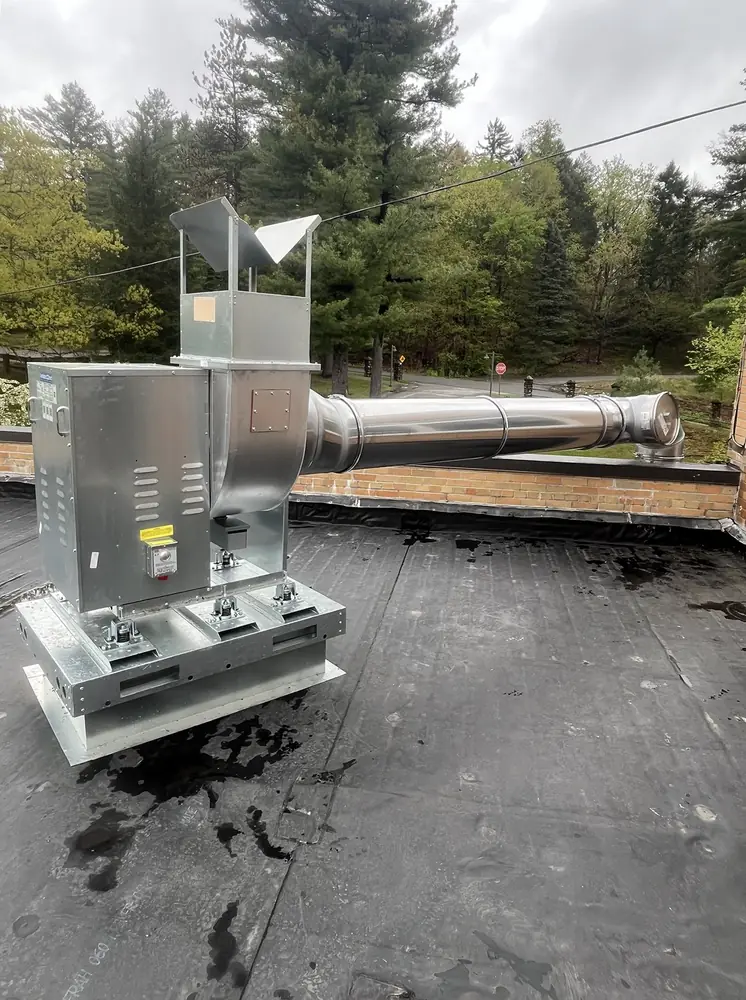
Mechanical services
Commercial ventilation and exhaust ducts
-
Emergency repairs
24/7 in NYC, Westchester and Connecticut
-
Expediting and plan review
Permit filings and code review before you submit